
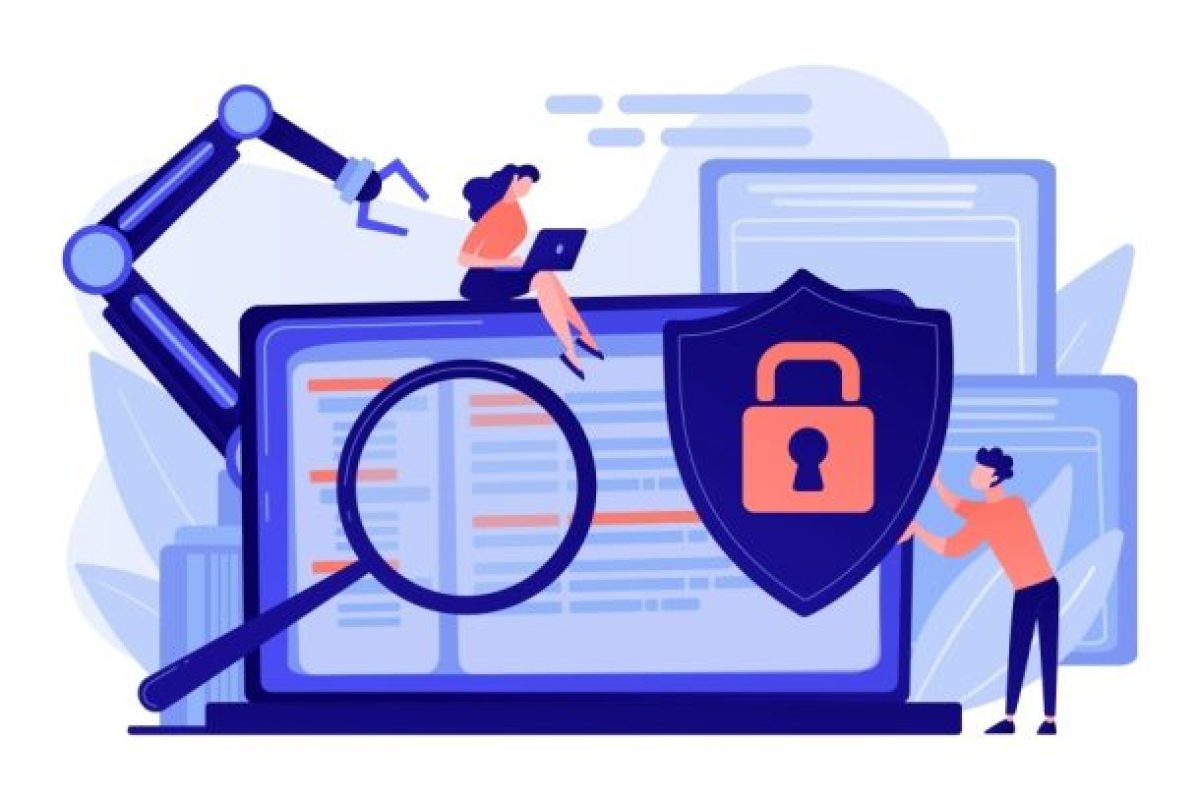
In today’s digital-first economy, the foundation of business resilience is built not only on innovation but also on trust and protection. Companies across industries are under constant pressure to safeguard sensitive data, maintain customer confidence, and adhere to ever-evolving regulations. As cyber threats become more advanced, organizations can no longer treat compliance and cybersecurity as separate domains. The most successful and resilient enterprises are those that embrace Compliance and Cybersecurity Integration as a unified strategy that strengthens their overall culture and operational stability.
The Growing Importance of Compliance in the Digital Age
Modern businesses operate in a complex environment where data is one of their most valuable assets—and also their greatest vulnerability. From financial institutions and healthcare providers to e-commerce platforms and government entities, all rely on data to make decisions and serve customers. However, the mishandling or unauthorized access of that data can result in severe legal, financial, and reputational consequences.
This is where compliance comes into play. Compliance ensures that businesses follow specific laws, regulations, and industry standards designed to protect information and maintain transparency. In regions such as the UAE, Regulatory Compliance frameworks have become increasingly sophisticated, mandating that companies align with international best practices, such as ISO 27001, GDPR, and the UAE’s Federal Decree-Law No. 45 of 2021 on the Protection of Personal Data.
But compliance alone is not enough. To thrive in an era of digital transformation, organizations must integrate cybersecurity into every compliance measure they adopt—creating a resilient ecosystem that anticipates risks rather than merely responding to them.
Why Compliance and Cybersecurity Must Work Together
Historically, compliance and cybersecurity operated as distinct functions. Compliance teams focused on policies, audits, and documentation, while cybersecurity experts dealt with technical defenses such as firewalls, encryption, and threat detection. However, the growing sophistication of cyberattacks has blurred these boundaries. A breach not only threatens data but also exposes an organization to non-compliance penalties, customer lawsuits, and operational disruption.
Compliance and Cybersecurity Integration bridges this gap. By combining governance frameworks with advanced security controls, businesses create a holistic approach that enhances both data protection and regulatory readiness. This synergy ensures that compliance is not just a checkbox exercise but an active part of the company’s security DNA.
Building a Culture of Security and Responsibility
Creating a resilient business culture begins with people. Technology and regulations are essential, but the true strength of an organization lies in its workforce. Employees at every level must understand their role in protecting data and maintaining compliance. This cultural shift starts with leadership.
Executives who champion Compliance and Cybersecurity Integration lead by example, demonstrating that safeguarding data is not just an IT responsibility—it’s everyone’s business. Regular training, transparent communication, and clear accountability structures help foster this mindset. When employees are empowered with knowledge and supported by well-defined processes, they are more likely to detect risks early and respond appropriately.
A culture rooted in compliance and cybersecurity also enhances collaboration between departments. Legal, IT, HR, and operations teams can work together to identify vulnerabilities, design secure workflows, and implement proactive measures that align with both business objectives and legal obligations.
The Strategic Benefits of Integration
The integration of compliance and cybersecurity brings measurable advantages that go beyond risk mitigation:
-
Enhanced Risk Management:
Unified systems provide a clearer picture of organizational risks, allowing companies to detect threats faster and respond effectively. -
Operational Efficiency:
Streamlined processes reduce duplication between compliance audits and security assessments, saving time and resources. -
Reputation and Trust:
Demonstrating a strong commitment to compliance and data protection builds customer trust and strengthens brand credibility. -
Regulatory Readiness:
With a comprehensive approach, companies can adapt quickly to new laws or standards without major operational disruptions. -
Sustainability of Business Operations:
A resilient security framework supports long-term growth by ensuring business continuity even in the face of cyber threats.
Real-World Application: Processa IT Consultancy’s Holistic Approach
A practical example of how integration can drive resilience comes from Processa IT Consultancy, a firm that empowers businesses to align cybersecurity with compliance frameworks effectively. The company assists clients across sectors in implementing governance models that merge risk management with technical safeguards. Through tailored strategies, they ensure that organizations meet regulatory demands while building a culture of accountability and digital trust.
By guiding companies to embed compliance and security principles into their daily operations, Processa IT Consultancy exemplifies how integration can transform organizational behavior. Their approach not only minimizes exposure to regulatory penalties but also helps businesses operate confidently in an increasingly volatile digital landscape.
Overcoming Challenges in Implementation
While the benefits are clear, achieving Compliance and Cybersecurity Integration can present challenges. Many organizations struggle with siloed operations, outdated technology, or limited awareness among employees. Overcoming these barriers requires a structured roadmap that includes:
-
Assessment and Gap Analysis:
Identifying weaknesses in current compliance and security systems. -
Policy Alignment:
Ensuring all procedures, from data handling to employee conduct, reflect both legal and cybersecurity requirements. -
Continuous Monitoring:
Leveraging automation and AI-based tools for real-time risk detection and compliance tracking. -
Employee Engagement:
Regular training programs to maintain awareness and accountability.
By addressing these areas, businesses can transition from reactive compliance to proactive resilience.
The Future of Compliance and Cybersecurity Integration
As digital ecosystems evolve, the relationship between compliance and cybersecurity will continue to deepen. Emerging technologies such as AI, machine learning, and blockchain are reshaping the way data is managed and secured. Companies that adopt these technologies responsibly—within regulatory boundaries—will be best positioned to lead in the future economy.
Governments worldwide are also tightening their data protection laws, emphasizing accountability and transparency. Organizations that embed Compliance and Cybersecurity Integration into their core operations today will not only meet these future requirements but will also gain a competitive edge by being seen as trusted, forward-thinking enterprises.
Ultimately, resilience is not about avoiding risk altogether but about preparing, adapting, and thriving despite it. A strong integration between compliance and cybersecurity enables businesses to do just that—creating a secure environment that protects assets, maintains compliance, and supports sustainable growth.
FAQs
1. Why is integrating compliance and cybersecurity important for businesses?
Integrating compliance and cybersecurity ensures that companies not only meet regulatory requirements but also proactively protect data and systems from evolving cyber threats.
2. How does compliance support cybersecurity efforts?
Compliance provides structured frameworks and policies that help guide the implementation of effective cybersecurity measures, ensuring accountability and consistency across operations.
3. What are the biggest challenges companies face in implementing integration?
Common challenges include siloed departments, lack of employee awareness, outdated systems, and limited visibility into organizational risks.
4. How can small businesses achieve compliance and cybersecurity integration?
Small businesses can start by adopting standardized frameworks, investing in employee training, and partnering with experts like IT consultancies for tailored solutions.
5. What future trends will influence compliance and cybersecurity?
Automation, AI-driven threat detection, stricter data privacy regulations, and cross-border compliance requirements will play a major role in shaping future strategies.